Environmental Science in Sicily:
Sustainability, Climate Change & Ecology
SUMMER SCHOOL PROGRAMS IN SICILY

FIELD SCHOOL
experiential LEARNING
er

terms
summer: 6 WEEKS

START
JUNE 13TH 2026

LANGUAGE
ENGLISH

scholarships
available
Program Highlights
Earn an Academic Transcript for your Study Abroad experience in Italy:
all programs are jointly designed with the University of Minnesota (#2 in the world for Ecology rankings)
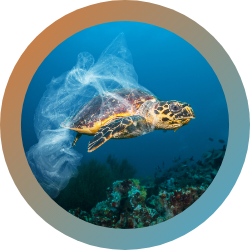
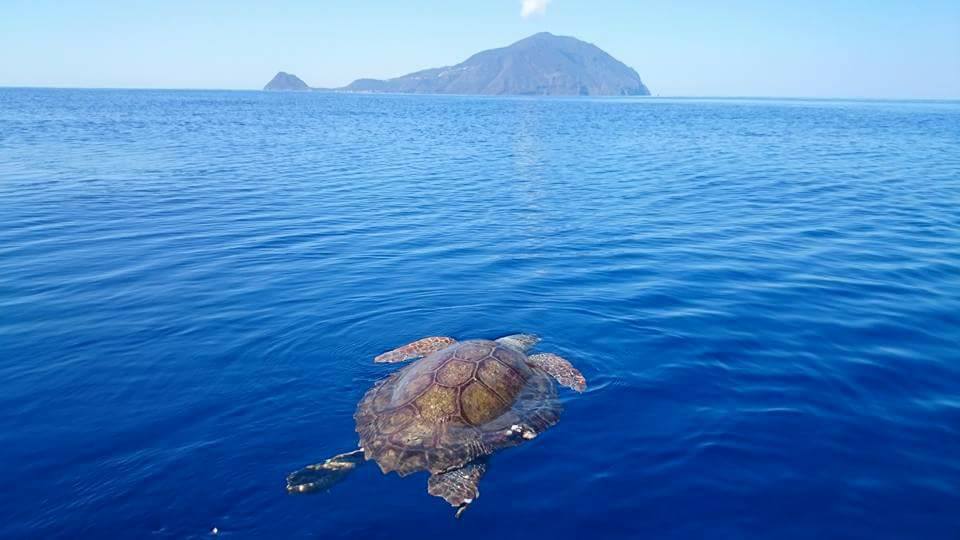
Join conservation efforts for the WWF Sicily Marine Turtle project and Marine Protected Area ecosystems
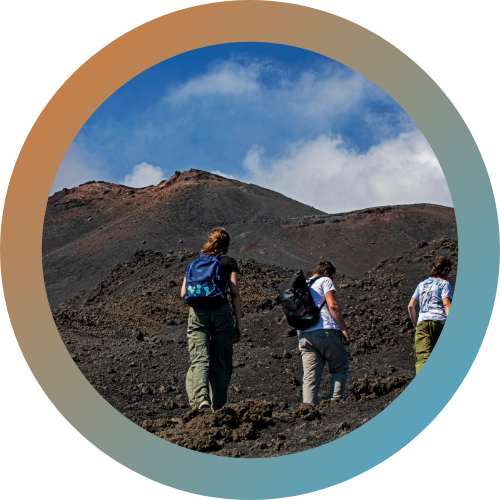
Explore the ecosystems and human-nature coexistence on Mt Etna volcano
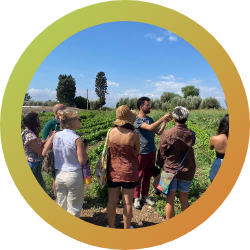
Learn sustainability practices from experts and meet environmental social justice activists, such as the Libera Terra antimafia NGO
FIELD SCHOOL
project-based,
experiential LEARNING
er
terms
summer: 6 WEEKS
START
JUNE 13TH 2026
LANGUAGE
ENGLISH
scholarships
available
Course Selection
Students can choose to enroll in the track-specific courses below.
Marine and Coastal Ecology in the Mediterranean
Term: Summer Session II (6 weeks), Fall, Spring
Course code: SCLY3207 (University of Minnesota)
Contact Hours: 60
Program Highlights & Experiential Learning:
- Snorkeling field trip, sampling and analysis activities at Plemmirio Marine Protected Area (MPA) and Laboratories
- Visit to the traditional fish market, interviewing the local fishermen community
- Marine turtle nest monitoring activities with WWF Sicily experts
- Coastal patrolling activities with MPA/environmental NGO staff
- Sorting and analysis of non-MPA, outer-MPA, and inner-MPA zone samples
Course description:
This course provides a comprehensive investigation of the rich and diverse biota, of the past geological events, of the variety of climatic and hydrologic conditions that make the Mediterranean Sea, amongst the most complex marine a ecosystems on the planet, situated at the crossroads of different biogeographic regions, inhabited by a rich and diverse flora and fauna, currently imperiled by different pressures, mainly induced by human activities.
Students engage in comparative field studies through experiential learning during field trips, which will complement the classroom teaching and will be carried out in distinct coastal and marine environments. Students are led by expert professionals and researchers of the Plemmirio Marine Reserve research institute during visits to the laboratory facilities and on activities of census and control in the Protected Area, investigating its effect on marine biodiversity.
Lab and fieldwork will consist of at least 26 of the total 60 contact hours.
Siracusa, and in particular the island of Ortigia, is perfectly situated for studying the marine environment. Easy access to the shoreline is within walking distance of the school, and the Plemmirio Marine Reserve Center is a stone’s throw away. The coastline varies from sandy beaches to limestone cliffs with a great variety of flora and fauna.
Upon completion of this course, you will be able to:
- Recognize and identify the main fauna and flora as well as the main biotopes of the marine ecosystems in the Mediterranean Sea
- Compare the diverse characteristics of some representative marine ecosystems of the Mediterranean Sea
- Discuss the protection and conservation of marine biodiversity of marine ecosystems and, particularly related to the protection of Posidonia oceanica meadows through the intervention of environmental recovery
- Gain basic scientific skills to conduct research in the sciences and environmental protection and conservation
Mediterranean Conflict: Humans and the Environment
Term: Summer Session I & II, Fall, Spring
Course code: SCLY 3208 (University of Minnesota)
Contact Hours: 45
Program Highlights & Experiential Learning:
Our seas provide us with a wealth of natural resources, support wildlife, keep our climate stable, and create employment opportunities. However, unsustainable practices threaten the fragile balance of marine ecosystems. Climate change, pollution, and other anthropogenic pressures have led to the ongoing ocean global change, including water acidification, sea surface warming, sea water level rising, deoxygenation, and changes in nutrient and light regimes. These changes alter multiple chemical and physical seawater properties, propagating to diverse marine microorganisms, through the entire food chain, up to the top predators, including human.
Marine biodiversity is essential for well-balancing food webs, making ecosystems more able to adapt to climate change, habitat degradation, and other major ecological disruptions.
In this framework, mitigation actions, management plans, and establishment of protected areas, together with responsible and sustainable management of marine resources can be strategic for the restoration of damaged species communities and habitats.
Field trips in Eastern Sicily, with a special focus in the Siracusa and Catania areas, will show examples, case studies, and data on the presence of marine vulnerable species and their coexistence with anthropogenic activities.
Agriculture, Food, and Sustainability in the Mediterranean
Course code: N/A
Contact Hours: 45
Program Highlights & Experiential Learning:
-
Visit to Libera Terra to learn about social farming on land confiscated from organized crime
-
Field trip to Orti Sociali (Urban Gardens) in Siracusa to discuss local food security
-
Ancient Sicilian Grains workshop, including grain recognition and traditional bread tasting
-
Collaborative Design Project where students draft a comprehensive sustainable agroecosystem plan
-
Engagement with local experts on the “Caporalato” undocumented migrant exploitation system and migrant labor rights in Italian and European agriculture
Course Description: Adopting a holistic systems approach, this course offers an interdisciplinary investigation into sustainable food systems and ecological practices in Sicily. Students explore the island’s agricultural evolution—from Neolithic fertility rituals to the “Green Revolution”—to understand how historical globalization shapes contemporary farming.
The course emphasizes the fundamentals of agroecology and permaculture design, challenging students to address real-world issues like soil fertility, water scarcity, and climate resilience. Beyond the science, students examine the social and economic pressures facing Mediterranean farmers, including international competition and labor exploitation
Upon completion of this course, you will be able to:
-
Understand the core principles of agroecology, permaculture, and sustainable agroecosystem design
-
Design a conceptual development plan for a sustainable farm or local food system
-
Evaluate the impact of farming practices on ecological sustainability and biodiversity
-
Compare Mediterranean food systems with global agroecosystems to identify resilience strategies
Mythology, Identity and the Environment
Term: Fall, Spring
Course code: N/A
Contact Hours: 45
Program Highlights & Experiential Learning:
-
Ethnographic walk in Ortigia to discover sacred places and votive inscriptions in urban spaces
-
Field inquiry at Paliké Indigenous Sanctuary and the Aidone Archaeological Museum
-
Observation of the Priolo petrochemical complex from the Saline di Priolo Nature Reserves
-
Engagement with the Saja Permaculture Project to study contemporary regenerative narratives
-
Curated Photo Essay project linking myth, identity, and specific Sicilian landscapes
Course Description: This course explores the complex interplay among nature, humanity, and the divine within the multilayered landscapes of Sicily. Students will learn to “read” Mediterranean ecologies as myth-laden environments, tracing how ancient deities, saints, and heroes were historically tied to volcanoes, springs, and coastal features.
The curriculum transitions from the sacred traditions of the past to the secular, industrial landscapes of the present, questioning what happens when ecologies are stripped of their sacred meaning. Through field-based inquiry and critical reflection, students imagine more just futures by “re-storying” relationships between humans and the non-human world.
-
Interpret key mythological figures and explain their relationship to specific environmental features in Sicily
-
Compare religious traditions (Greek, Roman, Islamic, Christian) and their ecological imaginations
-
Apply non-anthropocentric frameworks to redefine the agency of plants, animals, and the “divine”
-
Conduct field-based inquiry that integrates textual analysis with site observation and reflective writing
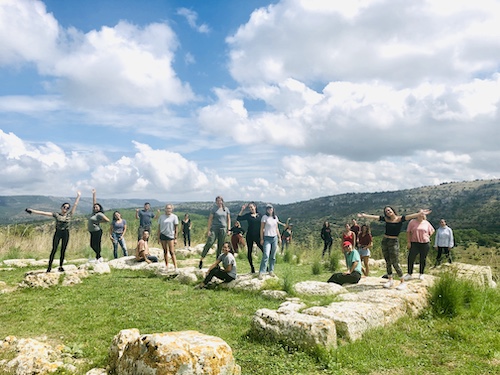
Program Partners
WWF Sicily
WWF Sicilia Sud Orientale is a key regional branch of WWF Italy, actively engaged in the protection of coastal and marine ecosystems in south-eastern Sicily, with a strong international outlook and a long-standing commitment to marine turtle conservation. The organization plays a leading role in the monitoring, protection, and recovery of Caretta caretta marine turtle nesting sites, working closely with national authorities, research institutions, and international conservation networks to safeguard nests, rescue injured turtles, and promote science-based management of Mediterranean coasts. Under the leadership of its president, Dr Oleana Prato, WWF Sicilia Sud Orientale has strengthened field operations, volunteer training, and public awareness initiatives, while contributing to broader WWF programs and Mediterranean-wide conservation strategies.
Plemmirio Marine Protected Area Consortium
The Plemmirio Marine Protected Area Consortium operates within a strong international framework of recognition and cooperation, positioning the reserve as a benchmark for Mediterranean marine conservation. The Plemmirio MPA is officially designated as a Specially Protected Area of Mediterranean Importance (SPAMI) under the UNEP Mediterranean Action Plan, an accreditation reserved for sites of exceptional ecological value and high management standards. The Consortium is also an active member of MedPAN, the main network of Mediterranean marine protected area managers, which promotes knowledge exchange, capacity building, and collaboration with international NGOs, research institutes, and environmental organizations. Through these affiliations, Plemmirio regularly participates in transnational projects, scientific monitoring programs, and best-practice initiatives supported by European and Mediterranean bodies. For international students, this means learning and working in a protected area that is globally connected, internationally recognized, and deeply embedded in cooperative efforts to protect the Mediterranean Sea.

SDG Project-Based Learning
HEAR FROM STUDENTS THAT JOINED OUR PROGRAMS
How to preserve a biodiversity hotspot?
Sicily has been a central crossroads of human activity for thousands of years. The island offers a prime perspective on all the challenges of accommodating the co-existence of humans and nature: indigenous flora and fauna are increasingly at risk within the highly populated and polluted Mediterranean basin. Tackling these issues requires an understanding of the basics of ecology and environmental sciences.
The largest island in the Mediterranean offers, in fact, a rich palette of diverse habitats and ecosystems: marine, coastal, inland and high-mountainous, including several volcanoes, such as Mt. Etna. The possibility to combine classes with practical activities in the field gives students the unique opportunity to directly observe and research the subjects of their studies.
Cultural Trips
THE PROGRAM INCLUDES VISITS TO
3 unesco world heritage site
+ A CULTURAL ACTIVITY AND SOCIAL EVENTS WEEKLY CALENDAR
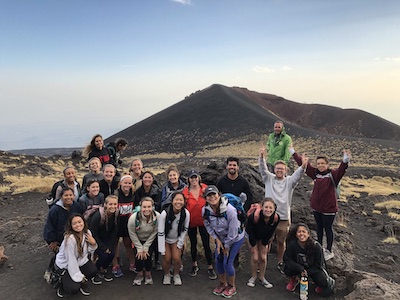
MT ETNA VOLCANO & TAORMINA TRIP
VALLEY OF THE TEMPLES TRIP
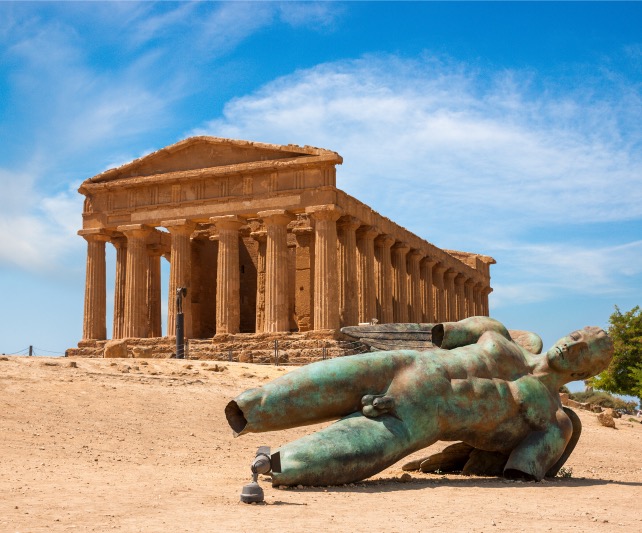
VALLEY OF THE TEMPLES TRIP