Human Rights, Migration & Social Justice
SUMMER SCHOOL & SEMESTER STUDIES IN SICILY
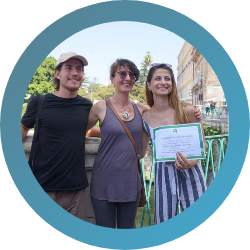
Academic Transcript for University Credit Transfer and Digital Certificate.
All programs are designed with the University of Minnesota (among the Top 50 of World University Rankings)
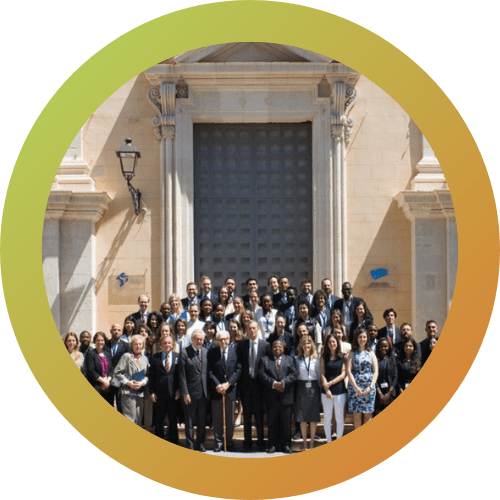
Hands-on research mentoring with leading experts at SII
Research institution with United Nations consultative status and Council of Europe participatory status.
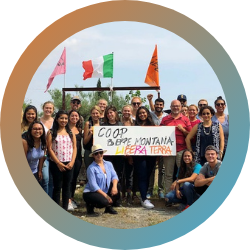
Engage with NGOs, institutions and activists in Europe's southern border community
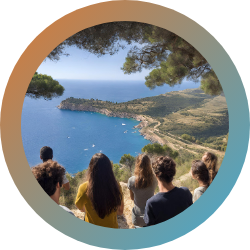
Immerse in rich Sicilian history and cultural heritage
Course Selection
Students can choose to enroll in the track-specific courses below.
Program Dates 2027:
- A) Spring Semester
January 22nd to April 30th: 14 weeks in Sicily
Program Requirements:
Programs are open to students who fulfill the following requirements:
– University transcript: the program is exclusively open to current or recent graduates (within 12 months of graduation)
– Passport/ID scan
– Letter of motivation
– English language certificate: C1 level (non-native English speakers)
Students may also select additional courses from the full course list to combine with the track-specific courses. The number of courses that each student can enroll in is based on their term of study (Summer I = 1 course, Summer II = 1 course, Summer 3 = 2 courses, Fall/Spring Semester = 4-5 courses).
Migration, Human Rights & the Media
Term: Summer Session I (3 weeks), Fall, Spring
Course code: SCLY 3202 (University of Minnesota)
Contact Hours: 45
Program Highlights & Experiential Learning:
- Guest lectures and seminars with diverse actors, including border guards, sea rescuers, and civil society activists
-
Analysis of media framing and coverage of migration crises to understand their impact on public debate
-
Interactive didactic approach involving the critical examination of labels like “economic migrant” and “refugee”
-
Cross-cutting perspectives that combine anthropological, sociological, and criminal justice approaches to flow analysis
-
On-site observation of the “dynamic battleground” where policy-makers and migrants interact
Course description: This course provides advanced knowledge of the policies, discourses, and media coverage of migration and asylum in the Mediterranean. Students explore the many challenges of migration through a journey that follows the process from countries of origin to transit across the sea and long-term integration in European society. By investigating different “venues” such as external borders and internal cleavages, students gain a comprehensive view of the social phenomenon of migration and the human rights issues at its core.
Upon completion of this course, you will be able to:
-
Analyze contemporary communication strategies and media framing related to migratory flows
-
Distinguish the analytical phases of the migratory process and the role of various actors involved
-
Evaluate European immigration policies and their impact on the human insecurity of people on the move
-
Reflect critically on the convoluted interactions among narratives, discourses, and state politics
INTERNATIONAL HUMAN RIGHTS LAW
Term: Summer Session I (3 weeks), Fall, Spring
Course code: SCLY 3206 (University of Minnesota)
Contact Hours: 45
Program Highlights & Experiential Learning:
Collaboration with the Siracusa International Institute of Criminal Justice and Human Rights
-
Site visits and guest lectures with international NGOs focused on gender justice and asylum law
-
Joint case study with the Italian National Institute of Geophysics and Volcanology (INGV) on environmental risk factors
-
NMUN Model Position Paper project that provides practical insights into the UN system and state roles
-
Thematic deep dives into the relationship between climate change, food systems, and human rights
Course description: Grounded in the principles of international law, this course introduces the international system of protection for human rights. Students analyze the sources, content, and limitations of these protections, as well as the obligations they generate for states. The curriculum outlines implementation mechanisms at both universal and regional levels, providing a comparative focus on the Euro-Mediterranean region through theoretical overviews and in-depth thematic case studies.
Upon completion of this course, you will be able to:
-
Understand the sources of Customary International Law and Human Rights Treaties
-
Analyze implementation mechanisms at the UN level and across regional systems in Europe, Africa, and the Americas
-
Discuss the obligation of non-refoulement and the legal frameworks of asylum and refugee policy
-
Evaluate the effectiveness of the UN Collective Security System and International Humanitarian Law
-
Conduct deep-research on specific human rights topics to produce formal policy and position papers
Research in Sicily
Term: Summer Session III (6 weeks), Fall, Spring
Course code: SCLY 3895 (University of Minnesota)
Contact Hours: 45 (25 instructional hours and 20 hours with a research mentor)
Program Highlights & Experiential Learning:
- Roundtable and interview sessions with border community actors such as CIAO Center for Intercultural Aid and Orientation (NGO) and Mediterranean Hope
-
Field-based learning in Sicily, providing a crucial location to directly observe Mediterranean migration challenges
-
Interactive research design that bridges the gap between theoretical frameworks and practical field data collection
-
Ethical training focused on the unique challenges of conducting research with vulnerable migrant populations
-
Comparative research opportunities allowing students to analyze data against US and international sources
Course description: This intensive research program offers undergraduate students the opportunity to further their knowledge of migration, asylum, and human rights through a comparative research experience. Based in Sicily, students move beyond the classroom to get a practical sense of what managing migration “crises” means in the Mediterranean. The program delves into the methodology and research processes used to explain sensitive social phenomena, offering students the tools to implement data collection techniques and comparative research designs.
Upon completion of this course, you will be able to:
-
Conduct field research and apply Social Sciences methodologies to sensitive topics
-
Reflect critically on issues of migration and asylum while developing comparative analyses across different regions
-
Identify ethical challenges and implement the requirements necessary to protect vulnerable subjects during research
-
Develop and present a professional research design including data collection and analysis
-
Execute structured and unstructured interviews in coordination with peers and focus groups
Your Learning Journey
Starts Here

Meet Silvia
From your very first steps, she’ll be here to guide you through the Study Abroad Program structure, answer your questions, and support you during the enrollment process.
Course Location
The Italian language Course is hosted at The Italian Academy’s Neapolis Study Center in Syracuse (Siracusa), Sicily. This historic villa is nestled in the heart of Syracuse’s archaeological district, adjacent to St. John’s Church, which provides access to ancient catacombs, and is near the Archaeological Museum and the Basilica of Our Lady of Tears. The center is within walking distance of the renowned Greek Theater and the picturesque island of Ortigia, offering students a rich blend of cultural and historical experiences. Surrounded by a lush two-acre botanical garden filled with citrus trees, Mediterranean flora, and century-old palms, the Neapolis Study Center provides an inspiring and tranquil environment for creative pursuits.
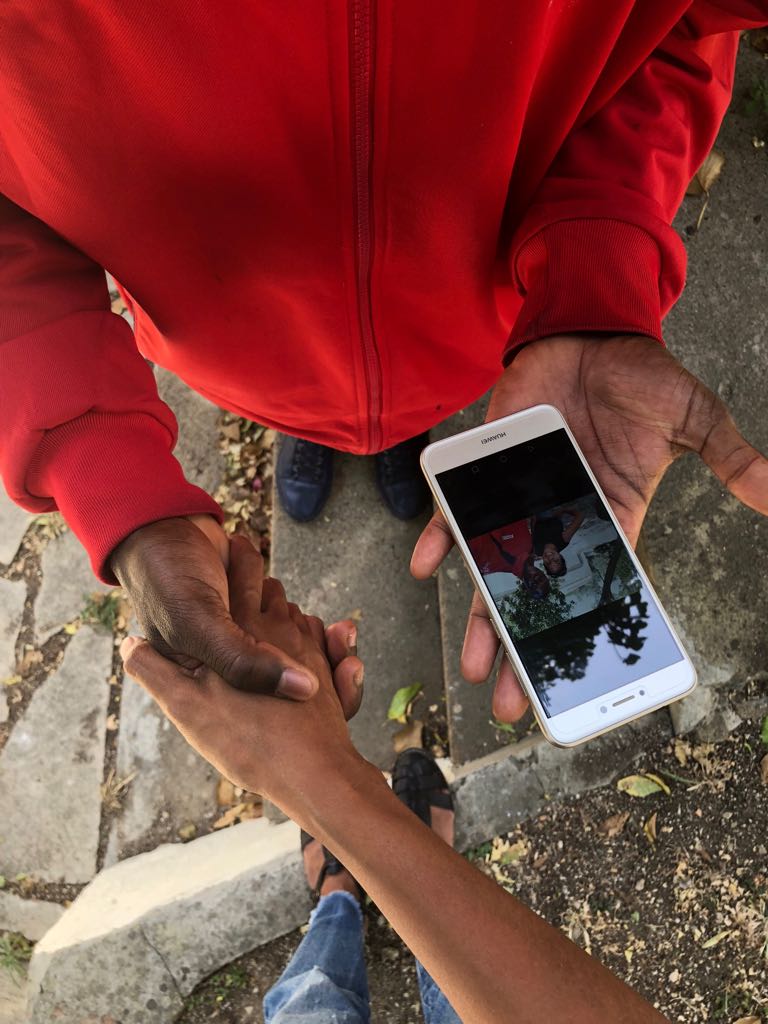
Program Partners
SIRACUSA INTERNATIONAL INSTITUTE FOR CRIMINAL JUSTICE AND HUMAN RIGHTS
The Siracusa International Institute is a non-profit foundation that holds consultative status with United Nations and participatory status with the Council of Europe. It is dedicated to education, training and research in international and comparative criminal justice and human rights. Through its global network, the Institute supports UN standards in criminal justice and human rights, organizes advanced training and specialization courses, and provides research and technical assistance worldwide.
C.I.A.O. CENTER FOR INTERCULTURAL AID AND ORIENTATION
The Centro Interculturale di Aiuto e Orientamento (CIAO) is a non-profit community organization based in Siracusa, Sicily, dedicated to the protection, orientation, and social integration of migrants and asylum seekers. As a primary actor in the Mediterranean border landscape, the center provides essential legal assistance, social services, and educational support to individuals navigating the complexities of European asylum systems and human rights protections.
Through its extensive network of civil society activists, NGOs, and international educational partners, CIAO fosters intercultural dialogue and provides critical technical orientation for the defense of migrant rights. By serving as a bridge between vulnerable populations and local institutional services, the center supports the implementation of international human rights standards at the local level and facilitates research into the human insecurities of people on the move.
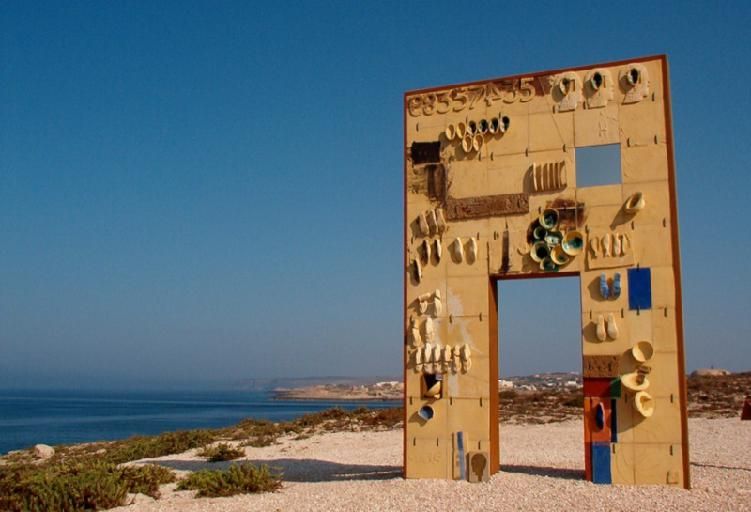

SDG Project-Based Learning
All programs at Syracuse Academy are designed to advance the Sustainable Development Goals (SDGs) of the United Nations by providing accessible global learning opportunities for international students.
HEAR FROM STUDENTS THAT JOINED OUR PROGRAMS
Southern borders as divides or connecting spaces?
Located at the heart of the Mediterranean Sea and receiving a large flow of asylum-seekers, economic migrants, and unaccompanied minors, Sicily stands out as an ideal laboratory for exploring contemporary global migration challenges.
In particular, it offers the opportunity to study the many aspects of migration in terms of politics and policies; in terms of smuggling and trafficking phenomena; in terms of media framing and coverage.
It offers the chance to develop comparative research designs with other countries, regions, or critical southern borders elsewhere (e.g. US-Mexico border; Myanmar-Thailand border etc.).
Learn from NGO and Community Leaders
Address Complexity in Critical Global Issues
Evaluate the Impact of Social Movements
Conduct Independent Research
Value the Regional Cultural Diversity of the Mediterranean
Cultural Activities
visits to
3 unesco world heritage sites

What our students say
How to apply
Apply by: April 24, 2026
Day(s)
:
Hour(s)
:
Minute(s)
:
Second(s)
NEXT PROGRAM START DATES
13
June
SUMMER SESSIONS I/II
3/6 weeks
4
september
FALL SEMESTER
14 weeks
When should I apply?
Students are advised to apply as soon as possible to reserve their preferred courses and housing options: program housing is offered on a “first come, first served” basis.
Who can apply for this program?
This program is intended for international undergraduate (bachelor degree) students currently enrolled in a university or college, as well as for recent graduates (within 12 months from graduation).
Students attending a graduate degree program (master’s students) may also apply for the program. Their application will be reviewed to ensure an appropriate fit with their academic and professional experience.
What are the application requirements?
Applications are open to all students currently enrolled in a university or college, as well as recent graduates (within 12 months of graduation).
Students are required to upload the following in the online application form:
- University transcript or certificate/statement of attendance: 2.5 GPA or higher
- Letter of motivation
- Passport (or ID for EU students)
- English language certificate: IELTS Academic = 6.5; TOEFL iBT = 79; Cambridge Scale = 180 (Upper B2); DET = 110; PTE Academic = 59. Exemptions apply for students from countries whose first language is English (see U of M list of English certificate exempt countries), students currently enrolled in an English-taught degree or who have completed an English-taught curriculum in high school.
Can I pay in installments?
Summer program fees (tuition, housing and service fees) are payable in 3 instalments:
- Application fee (€50): at the time of application
- 1st instalment (50% of program fees): within 7 days from the receipt of the letter of offer
- 2nd instalment (50% of program fees): 60 days before the program start date
Semester program fees (and summer program fees for students enrolled via the University of Minnesota):
- Application fee ($50): at the time of application
- Program deposit ($400): upon receipt of the letter of offer
- Outstanding program fees: in line with U of M payment deadlines
Do I need a visa? And if so, can you support me in the process?
You can find out more about whether you require a visa by filling out 4 questions on the official Italian government website. NB: Summer programs are “less than 90 days”, Semester programs are “more than 90 days”; reason for travel is “Study”.
By completing the application form you will be assigned a personal student advisor that will provide guidance each step of the way on matters such as visa applications, depending on your current status. The Letter of Enrollment and Proof of Accommodation issued by Syracuse Academy are generally attached to your visa application as supporting documentation.
Program Fees
To apply and reserve your place in the program, you should complete the online form and pay the Application Fee of €50.
Tuition Fees
Summer I: 3 weeks
June 13 - July 4 2026- ✔ Tuition for 1x course (selected among Summer I options): 3 US credits / 5 ECTS equivalent
- ✔ Seminars, Field Trips, Labs and On-site lectures with guest speakers and practitioners
- ✔ Student pack and learning materials
- ✔ Guided tours and cultural activities
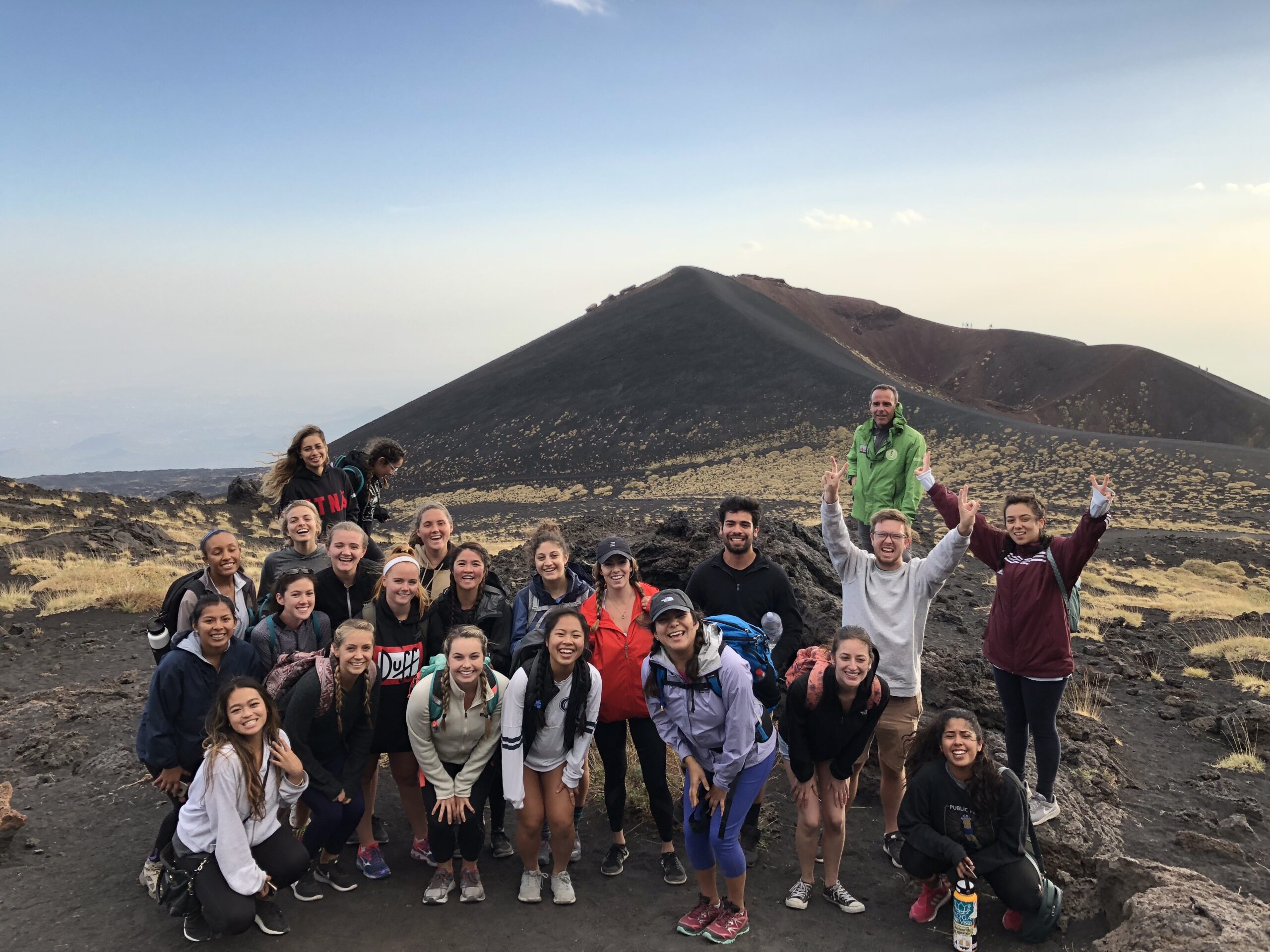
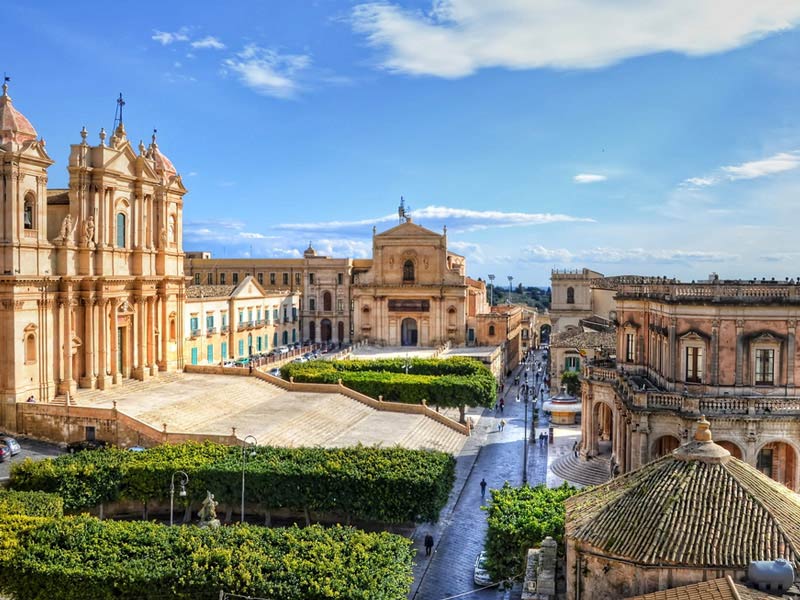
- ✔ Excursions to 2 UNESCO sites: Mt. Etna volcano & Taormina Greek-Roman Theater, Modica’s baroque town with a traditional chocolate-making workshop.
- ✔ Academic support drop-in sessions and Project mentoring.
- ✔ Intercultural learning workshops & Survival Italian language sessions
- ✔ Syracuse Academy certificate and transcript.
- ✘ NOT INCLUDED IN FEE:
University of Minnesota Certificate and Transcript for US university credit transfer.
International Health Insurance
Summer III: 6 weeks
June 13 - July 25 2026- ✔ Tuition for 2x courses (selected among Summer I-II options): 6-7 US Credits / 10-12 ECTS equivalent
- ✔ Seminars, Field Trips, Labs and On-site lectures with guest speakers and practitioners
- ✔ Student pack and learning materials
- ✔ Guided tours and cultural activities
- ✔ Excursions to 3 UNESCO sites: Mt. Etna volcano & Taormina Greek-Roman Theater, Valley of the Temples, and Modica’s baroque center with a traditional chocolate-making workshop.
- ✔ Academic support drop-in sessions and Project mentoring.
- ✔ Intercultural learning workshops & Survival Italian language sessions
- ✔ Syracuse Academy certificate and transcript.
- ✘ NOT INCLUDED IN FEE:
University of Minnesota Certificate and Transcript for US university credit transfer.
International Health Insurance
Spring semester: 14 weeks
January 22 - April 30 2027- ✔ Tuition for 4-5x course (selected among Semester course options): 12-16 US Credits / 22-30 ECTS equivalent
- ✔ Seminars, Field Trips, Labs and On-site lectures with guest speakers and practitioners
- ✔ Student pack and learning materials
- ✔ Guided tours and cultural activities
- ✔ Excursions to 3 UNESCO sites: Mt. Etna volcano & Taormina Greek-Roman Theater, Valley of the Temples, and Modica’s baroque center with a traditional chocolate-making workshop.
- ✔ Academic support drop-in sessions and Project mentoring.
- ✔ Intercultural learning workshops & Survival Italian language sessions
- ✔ Syracuse Academy certificate and transcript
- ✔ INCLUDED IN FEE:
- University of Minnesota Certificate and Transcript for US university credit transfer.
- International health insurance
*NB: All students currently attending a US university or college will be enrolled via our academic partner institution, the University of Minnesota, to receive a U of M Transcript and Certificate upon completion of the program, allowing for US credit transfer to other US Higher Education Institutions. Students can benefit from enrollment in the U of M International Health Insurance provider and receive additional support services from the U of M Learning Abroad Center. All payments made to the University of Minnesota are in US Dollars ($); therefore, the fees below shown in Euro (€) may be subject to change due to exchange rates and U of M additional services. Students may request information to apply for Financial Aid via their home institution.
If you are a US university student, complete the online form for guidance from our student advisors on how to complete your program enrollment.
Student Housing and Services
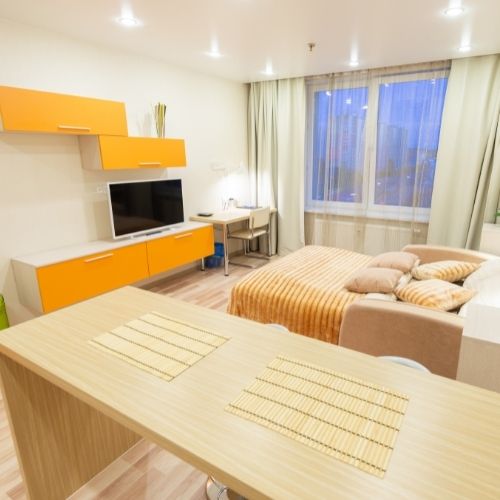
Students may choose between self-catering shared apartments (double or single rooms). Studio apartments are also available upon request for students that are 23 or older by the start of the program.

SHARED APARTMENTS
STUDIO APARTMENT
Housing & Services Fee
Summer (Sessions I, II and III)- Double Room in Student Residence with Self-Catering facilities and study areas, includes: utilities, wifi, maintenance service, bed linen and towels, kitchen equipment, washing machine
- (Optional) Single Room occupancy may be requested upon program application. Student opting for a single room option will be charged an additional supplement = €140 per week.
- Airport transfer and housing check-in.
- Welcome and farewell meals.
- Student Card for discounts at local sports and leisure clubs, shops and services
- 24/7 emergency assistance and on-site student consultant support.
- Social events calendar
- Volunteering with local NGOs opportunities facilitation.
Housing & Services Fee
Semester (Fall / Spring)- Double Room in Student Residence with Self-Catering facilities and study areas, includes: utilities, wifi, maintenance service, bed linen and towels, kitchen equipment, washing machine
- (Optional) Single Room occupancy may be requested upon program application. Student opting for a single room option will be charged an additional supplement = €140 per week.
- Airport transfer and housing check-in.
- Welcome and farewell meals.
- Student Card for discounts at local sports and leisure clubs, shops and services
- 24/7 emergency assistance and on-site student consultant support.
- Social events calendar
- Volunteering with local NGOs opportunities facilitation.