Discovering the Impact of Global Food Systems on Health: A Student’s Journey in Sicily
Our Students’ Immersive Experience in Sicily: Exploring Global Food Systems and Health
This summer, our students from Michigan State University embarked on a remarkable journey through Sicily, uncovering the intricate connections between global food systems and health. Through hands-on learning in the heart of the Mediterranean, our students engaged deeply with food sustainability, international education, and environmental health, all while soaking in the rich cultural heritage of Sicily. Let’s dive into what our students experienced during this unforgettable program!
Exploring Sicily’s Cultural Heritage: Ortigia, Neapolis, and Noto
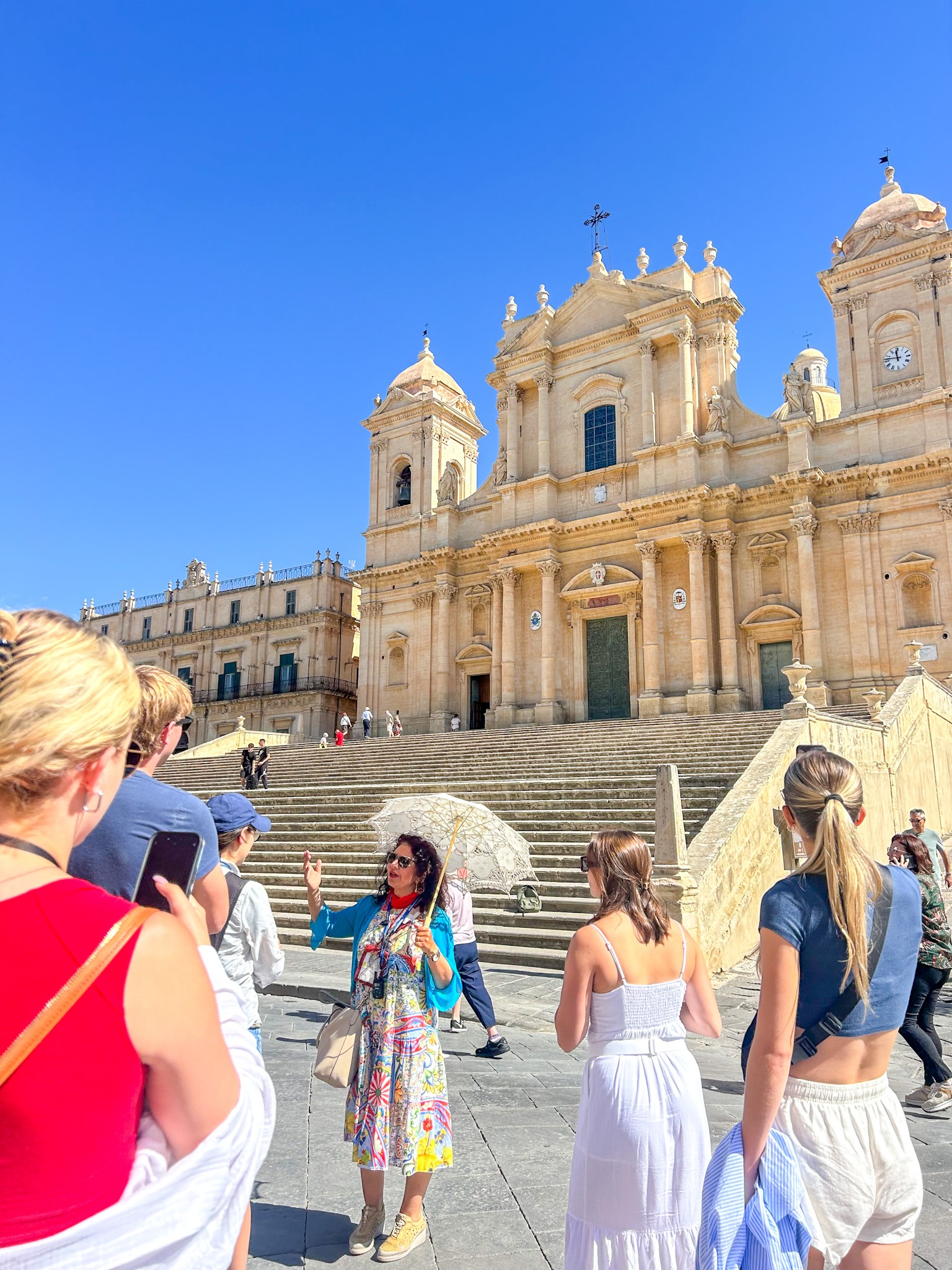
Our students kicked off the program with a guided tour of Ortigia, the historic heart of Syracuse. As they wandered through its narrow streets, they uncovered the layers of history that have shaped Sicily’s culture and food systems. The students also visited the Neapolis Archeological Park, where they glimpsed ancient agricultural practices and their impact on health. The tour continued in Noto, where our students marveled at the stunning baroque architecture that blends history with modernity. These excursions provided our students with a rich historical context, deepening their understanding of how the past influences contemporary food systems and health practices.
Hands-On Culinary Experiences: Learning Sicilian Cooking and Chocolate Making
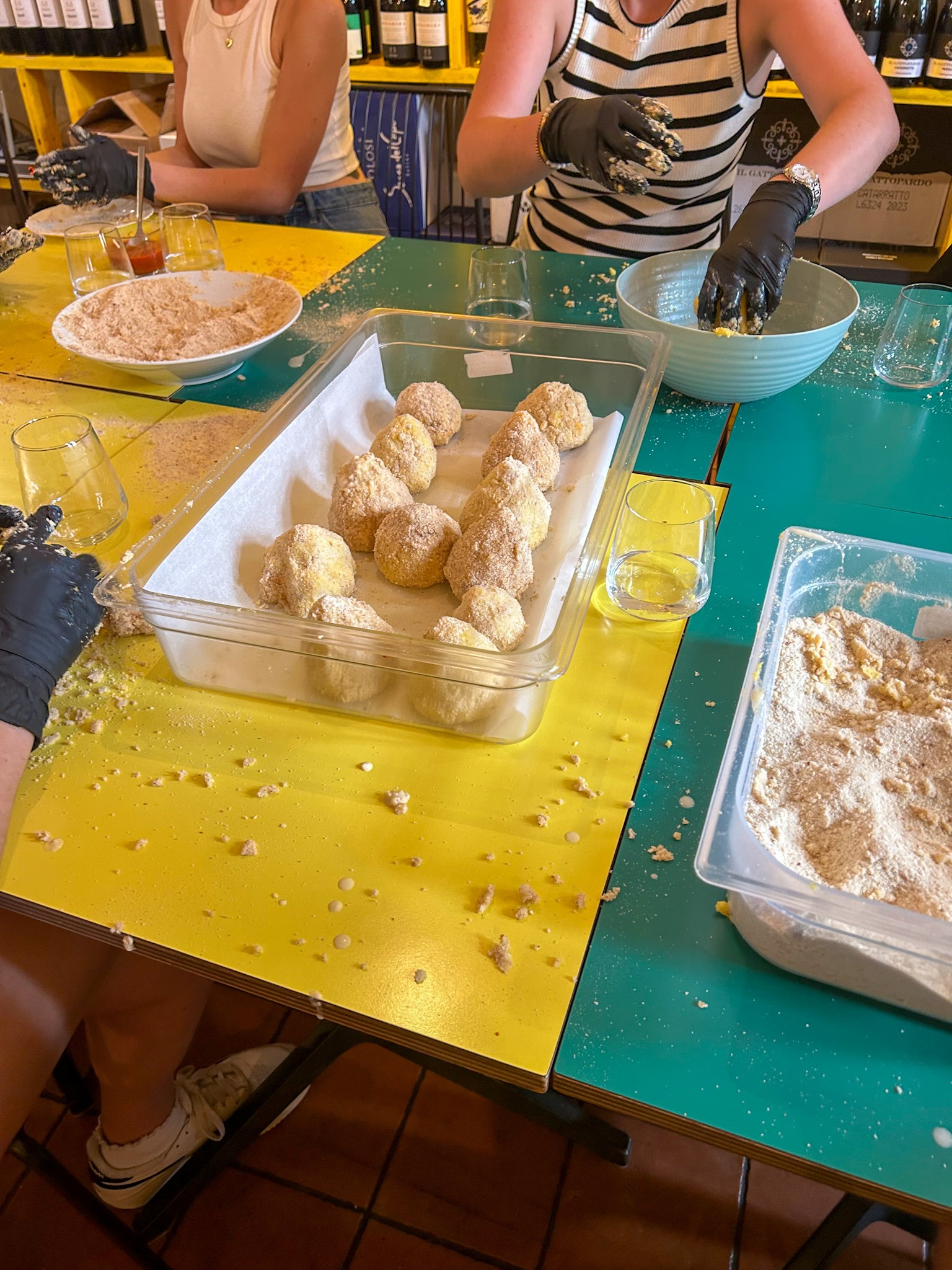
Our students didn’t just learn about food; they got their hands dirty in the kitchen! The program included multiple cooking classes where our students learned to prepare traditional Sicilian dishes. These classes were more than just cooking lessons—they offered a way for our students to connect with the local food culture and understand the importance of traditional methods in sustainable practices. Additionally, our students participated in a chocolate-making workshop in Modica, gaining a sweet insight into the region’s artisanal food production. Through these hands-on experiences, our students developed a deeper appreciation for the intricate connections between local cuisine and global food systems.
Sustainable Practices in Action: Farm Tours, Wine Tastings, and Organic Visits
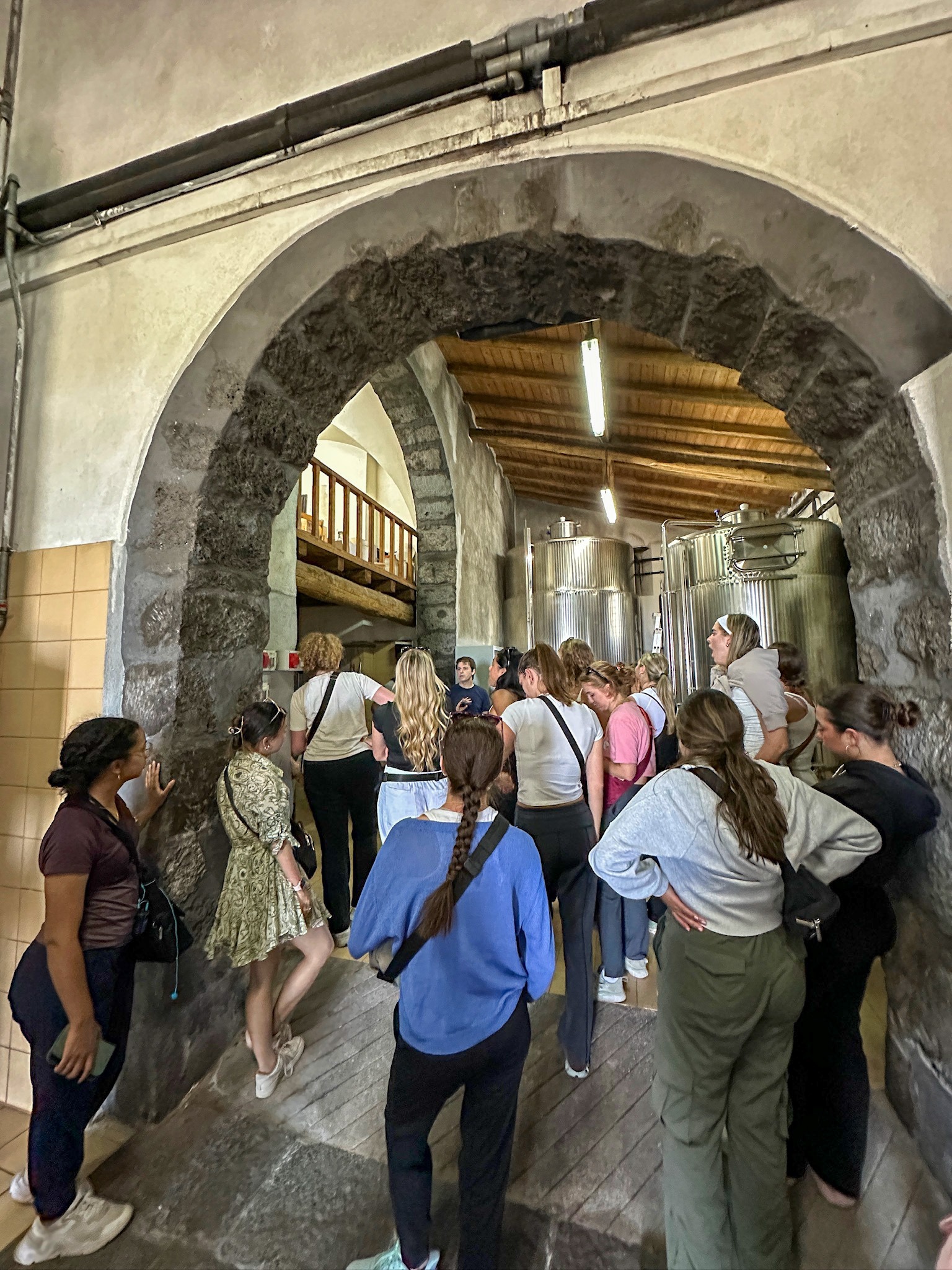
Sicily’s commitment to sustainable agriculture was on full display during various farm tours and wine tastings that our students experienced. They visited an agriturismo farm, lemon grove, olive grove, and organic winery, where they saw firsthand how sustainable farming practices are implemented. These visits highlighted how local farmers balance production with environmental stewardship to ensure food security. The farm tours demonstrated the critical role of organic and agricultural systems in maintaining healthy food systems, while the wine tastings at organic wineries showcased how traditional methods can produce high-quality, environmentally friendly products.
Connecting with Nature: Guided Hikes and Natural Reserve Visits
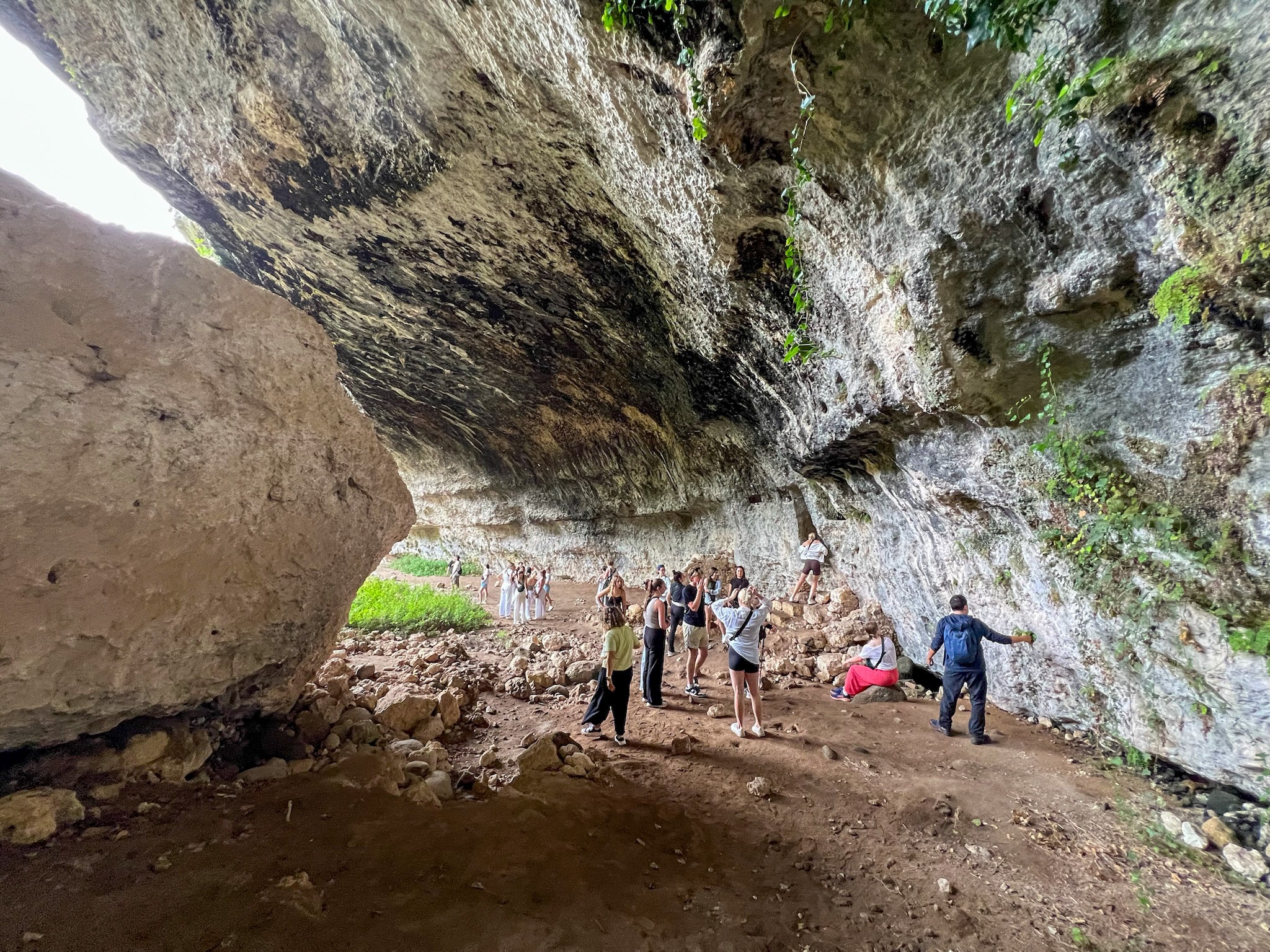
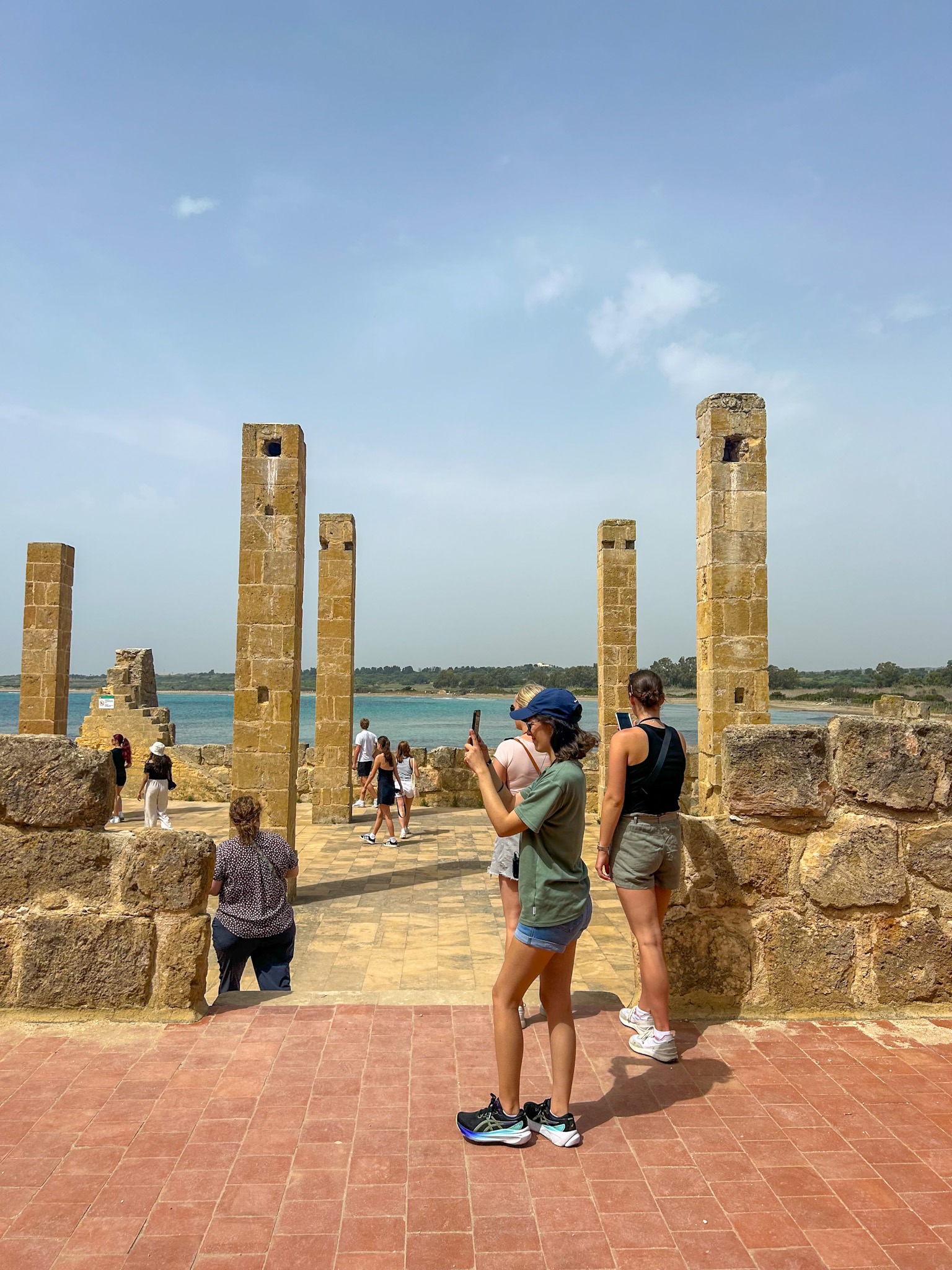
Our students also connected with Sicily’s natural landscapes, understanding their relationship with health and food systems. Guided hikes on Mount Etna and in Pantalica offered unique perspectives on the natural beauty of Sicily and its influence on local food systems. The visit to Vendicari’s Natural Reserve provided insights into the conservation efforts that protect Sicily’s diverse ecosystems. These excursions highlighted the importance of preserving natural landscapes to ensure the sustainability of food systems and overall health, offering our students a well-rounded understanding of the environmental aspects of food production.
A Summer of Cultural Immersion and Learning
Michigan State University’s Summer Program in Sicily was more than just an academic experience—it was a journey into the heart of Sicilian culture and an in-depth exploration of global food systems and environmental health. Every activity was designed to deepen our students’ understanding of sustainable practices and their impact on health. By the end of the program, our students had gained a comprehensive view of how local actions can influence global systems, preparing them to contribute to a more sustainable and healthy future.