MIT and University of Catania students research the effects of Climate Change on the Sicilian coastlines
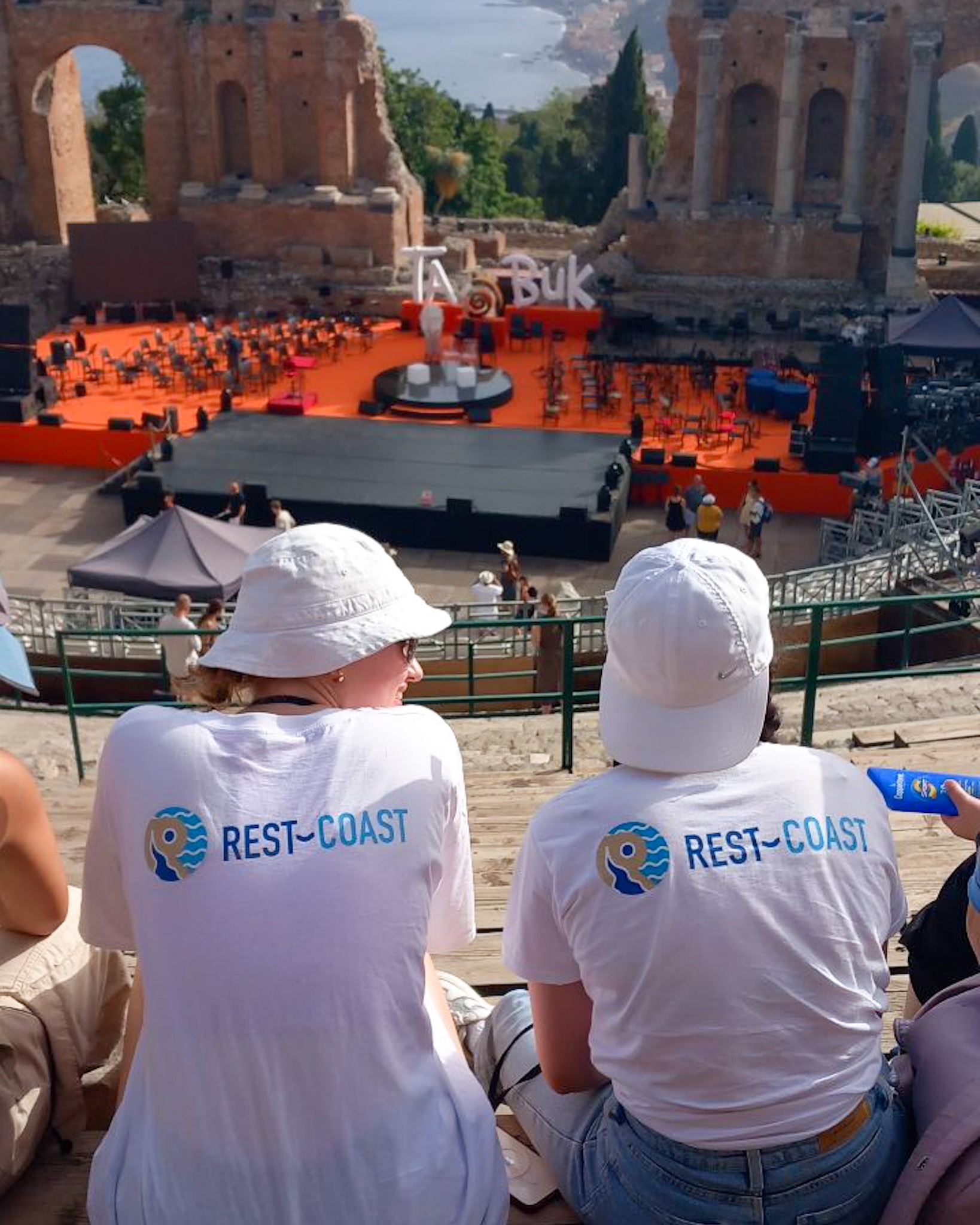
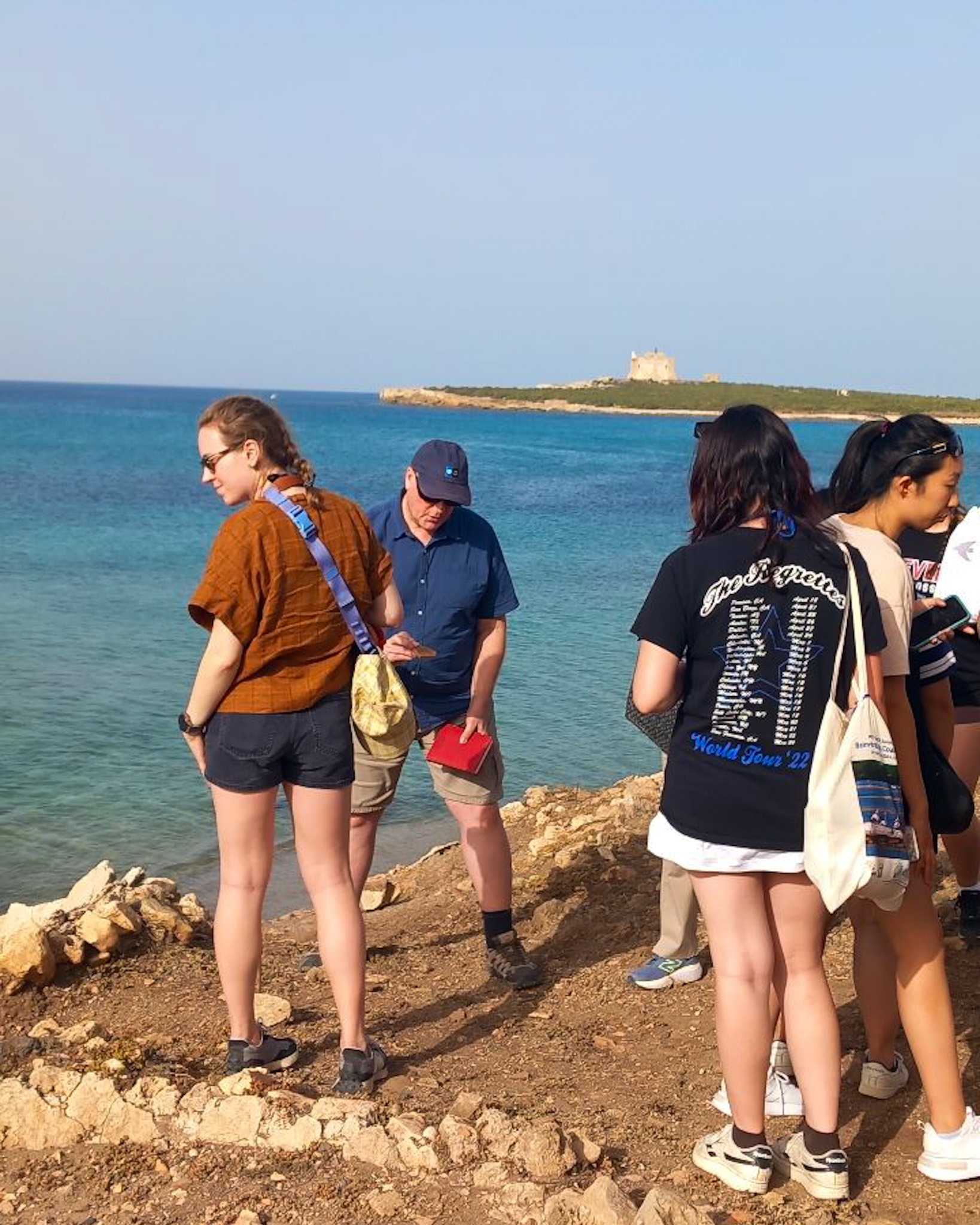
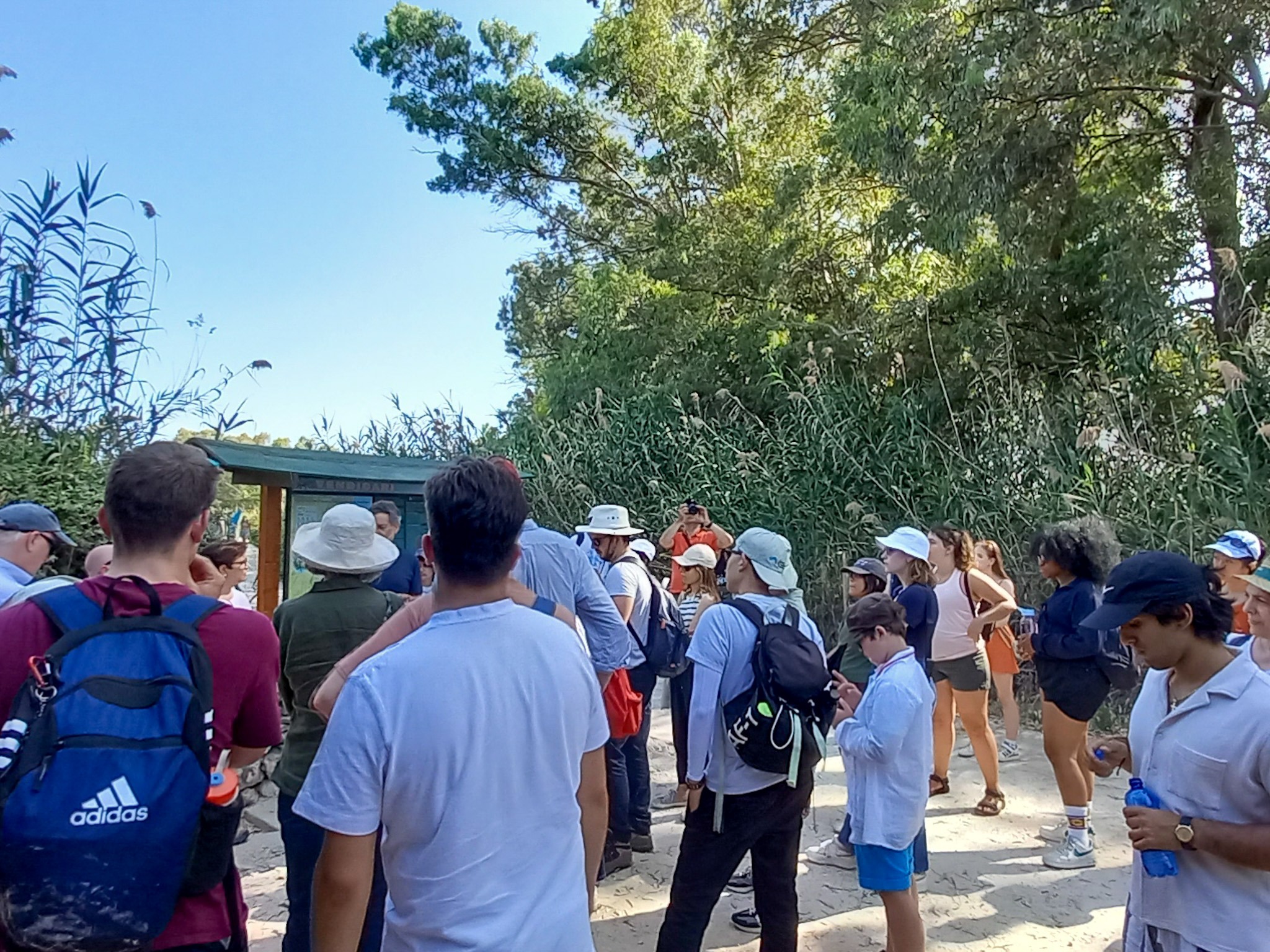
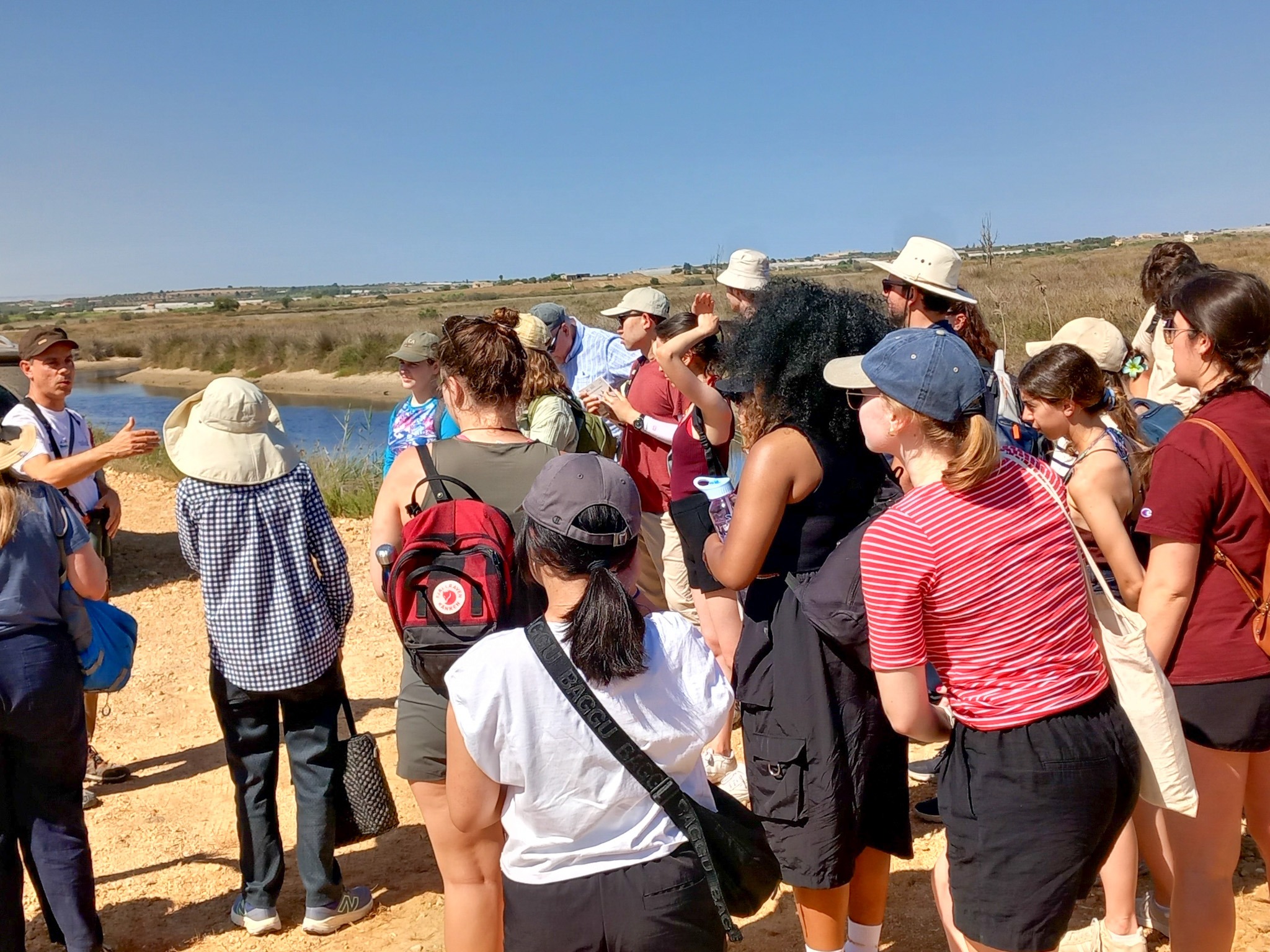
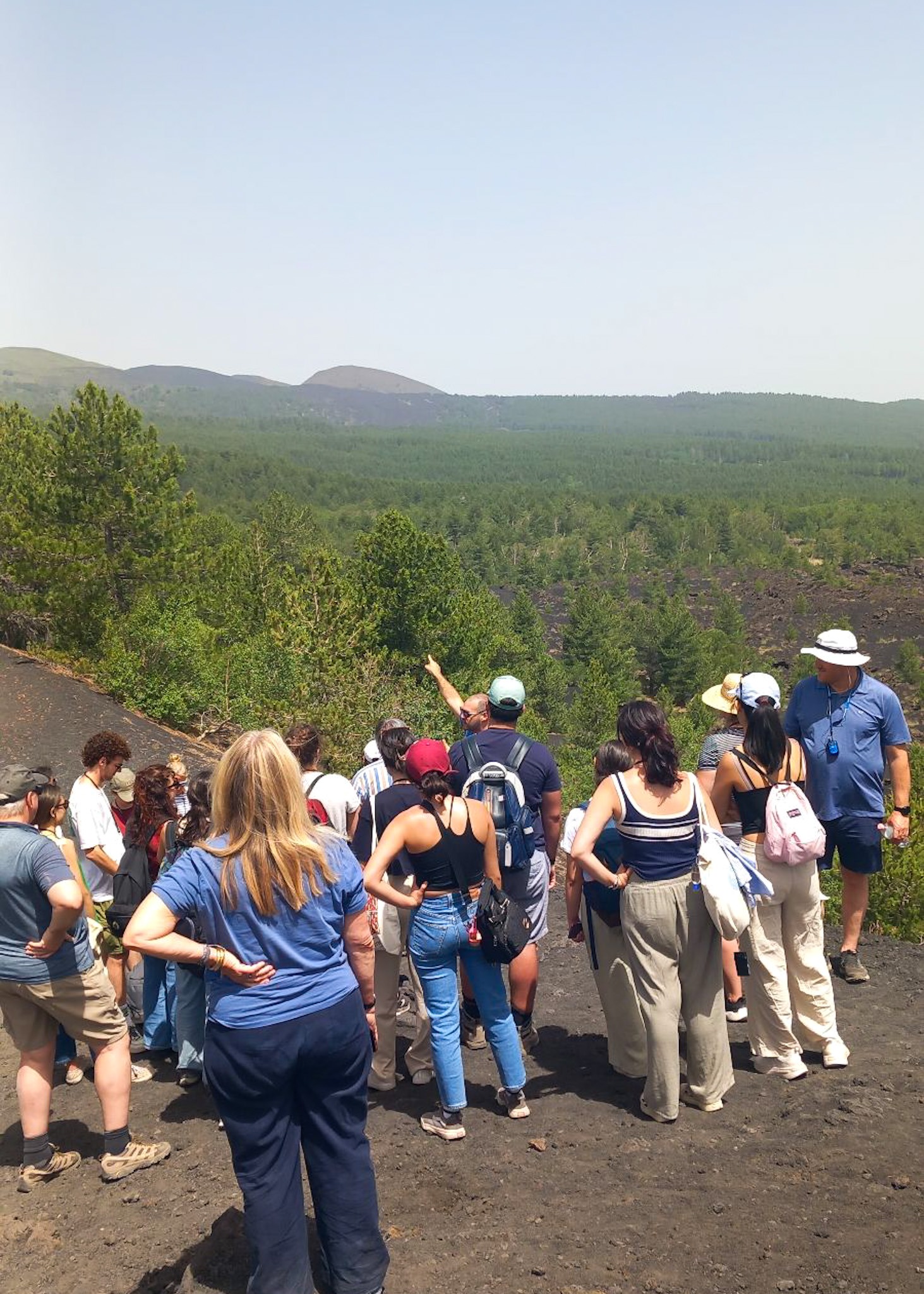
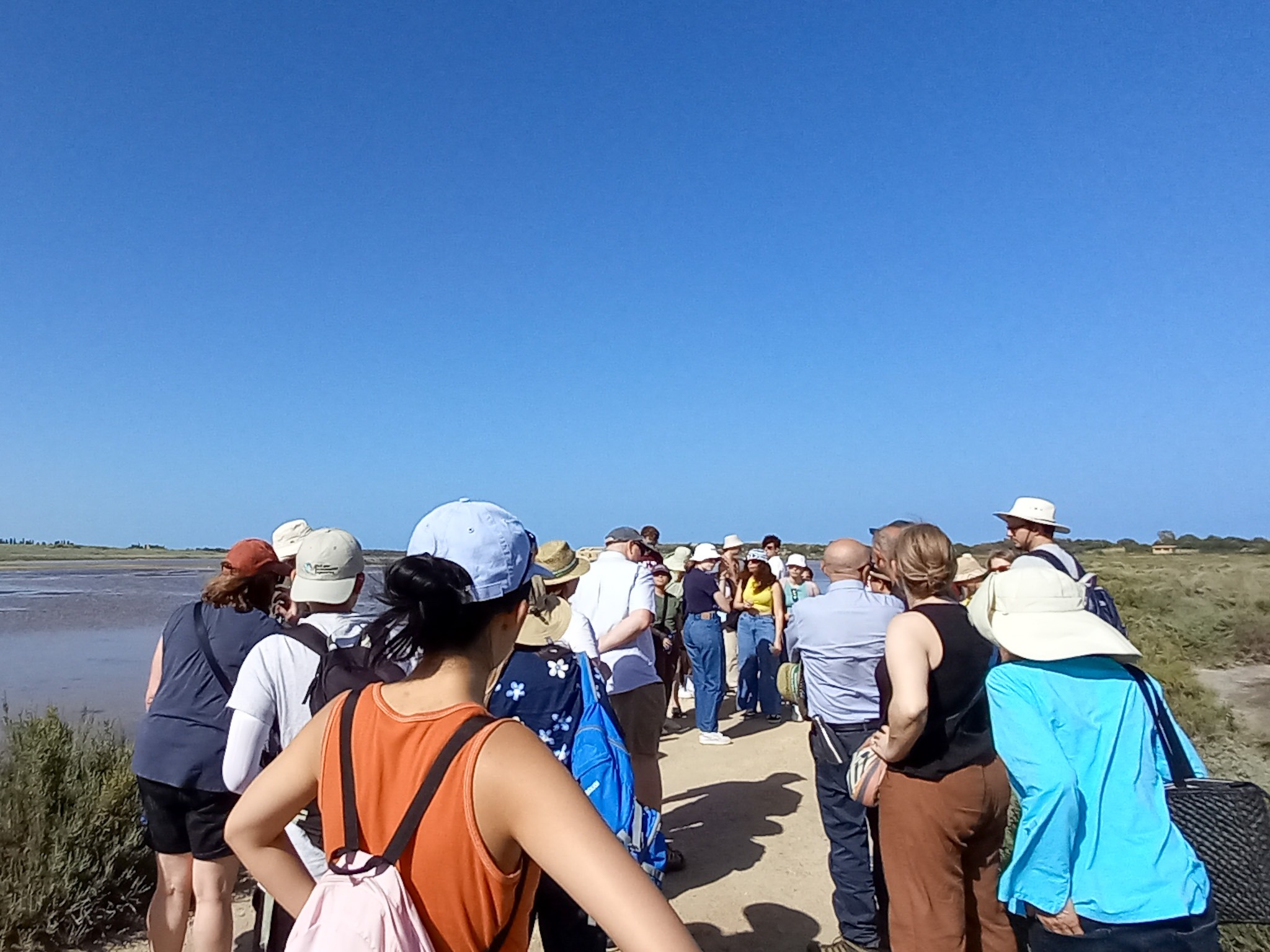
MIT and University of Catania students research coastal wetland restoration in Sicily
Students from MIT and the University of Catania joined forces in the “Reinventing the Coastal Wetland” summer program, an immersive experience dedicated to exploring the future of coastal wetland restoration amidst the challenges of climate change, as part of the “Global Classroom” initiative at MIT. Through hands-on activities, expert-led lectures, and field trips to breathtaking natural sites in Syracuse, Sicily, students gained practical knowledge and discovered innovative solutions to help preserve these critical ecosystems.
Sicily’s Unique Ecosystem as Your Classroom
Students, faculty and researchers found themselves in the ideal setting for studying coastal wetland restoration: Sicily, an island renowned for its rich history, diverse ecosystems, and stunning landscapes. Sicily’s unique coastal environments served as living laboratories, allowing our students to dive deep into the complexities of environmental conservation.
Staying in Siracusa, a city with over 2,700 years of history, students not only grew academically but also immersed themselves in a rich cultural experience. This ancient city, once a powerful Greek colony, is now a hub for environmental research and innovation. Here, our students connected the dots between historical practices and modern solutions, gaining a holistic understanding of the long-term impacts of human activity on coastal ecosystems.
Study Cases Throughout Sicily: Applying Knowledge in Real-World Scenarios
The first stop was the Saline di Priolo, a nature reserve famous for its salt pans and thriving bird populations. Here, our students studied the delicate balance between human activity and ecosystem preservation, gaining insights into how sustainable practices can protect biodiversity while supporting local economies.
Next, our students visited the Fiume Ciane Reserve, where they explored the critical role of riverine systems in maintaining the health of coastal wetlands. This visit highlighted the far-reaching benefits of restoring natural watercourses for the surrounding environment.
The journey continued to the Vendicari Natural Reserve, a pristine coastal area that serves as a sanctuary for migrating birds and endangered species. This site provided our students with a deeper understanding of the delicate interplay between land and sea and emphasized the importance of protecting coastal habitats from development pressures and climate change.
At Portopalo di Capo Passero, an archaeological site rich in history, our students witnessed how ancient practices can inform modern restoration techniques. This unique blend of past and present offered valuable lessons for future conservation efforts.
Finally, our students explored the Cuba-Longarini lagoons, a series of coastal lagoons crucial for the local ecosystem. Here, they observed the complexities of managing wetland areas in the face of rising sea levels and changing climate patterns. These case studies were more than just observational—they were opportunities for our students to apply their knowledge, ask critical questions, and propose innovative solutions.
Coastal Wetland Sustainability: Learning from the Experts
A highlight of the “Reinventing the Coastal Wetland” summer program was the rigorous and innovative academic lineup that challenged and inspired students with several guest lectures taught by faculty from around the globe.
Our students were particularly thrilled to attend guest lectures led by top-tier experts in fields like oceanography, civil engineering, architecture, environmental sciences, and archaeology. The interdisciplinary approach of the program allowed our students to connect theoretical concepts with practical applications, making their learning experience both comprehensive and impactful.